GUIDED NEURO- RELAXATION & BRAIN OPTIMIZATION

BrainTap in Willis

Clinical-Grade Technology
BrainTap is a neuroscience-based therapy designed to help the brain enter deep states of relaxation, recovery, and mental clarity. Using a combination of guided audio, light stimulation, and brainwave entrainment, BrainTap gently guides the brain out of stress patterns and into restorative brain states.


What Makes BrainTap Unique

Unlike meditation apps or relaxation music, BrainTap uses three synchronized neurological inputs:


1. Binaural Beats

Special audio frequencies that guide brainwave patterns.


2. Guided Visualization

Narration designed to reduce stress and improve focus.


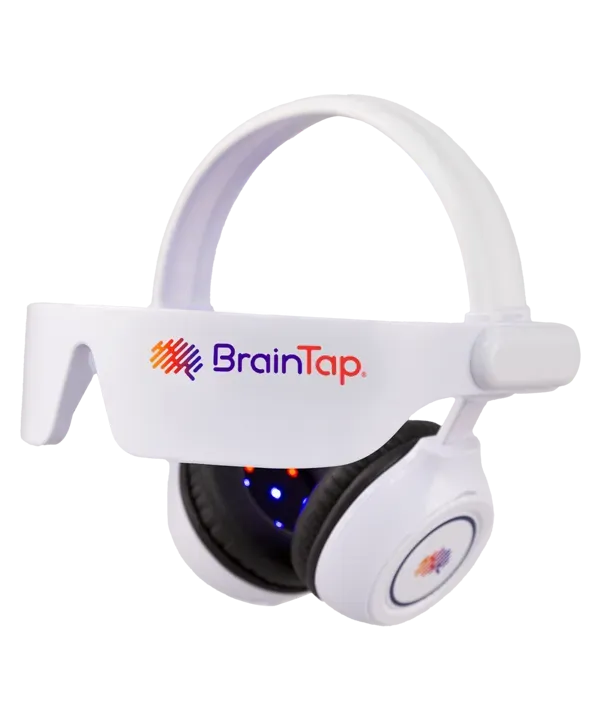
3. Light Therapy Through the Headset

Gentle light pulses stimulate neurological pathways and deepen the brain’s relaxation response. This multi-sensory approach helps the brain enter deeper states of relaxation faster than traditional meditation alone.


Call/Text to Schedule

WHO IS BRAINTAP FOR?

• Feel mentally overwhelmed
• Have difficulty relaxing or sleeping
• Experience chronic stress
• Want better mental clarity and focus
• Are interested in meditation but struggle to quiet their mind


No meditation experience is required — BrainTap guides the brain automatically into relaxation

Clinical Applicantions

BRAIN TAP IS COMMONLY USED FOR:

STRESS | BURNOUT

  • Chronic stress
  • Mental fatigue
  • Overwhelm

SLEEP CHALLENGES

•   Difficulty falling asleep

•   Poor sleep quality

•   Insomnia

BRAIN FOG | FATIGUE

•  Trouble concentrating

•  Mental sluggishness

•  Low focus

MOOD | MENTATION

•   Anxiety

•   Irritability

•   Emotional stress


PERFORMANCE | OPTIMIZATION

  • Mental clarity
  • Focus
  • Athletic recovery
  • Meditation training

How it works

  • The Science

    The Science of Brainwave Entrainment


    BrainTap works by guiding the brain into specific brainwave states using light pulses and binaural audio frequencies. This process is called brainwave entrainment.


    Your brain naturally cycles through different brainwave patterns:


    Beta – Alert / Thinking

    • Normal waking state
    • Often associated with stress or overthinking

    Alpha – Relaxed Focus

    • Calm but alert
    • Ideal for learning and mental clarity

    Theta – Deep Relaxation

    • Meditation
    • Creativity
    • Emotional processing

    Delta – Deep Restoration

    • Deep sleep
    • Cellular recovery
    • Nervous system repair

    BrainTap helps the brain transition from high-stress beta waves into alpha and theta states, where healing and restoration occur.

  • What to Expect

    During a BrainTap session you will:


    • Relax comfortably in a chair

    • Wear a headset with gentle LED light stimulation

    • Listen to guided audio designed to calm the nervous system

    • Allow the brain to enter a deeply restorative state


    Most sessions last 20–30 minutes, and many patients describe the experience as:


    Deeply calming


    Like a “power nap for the brain”


    Refreshing and mentally clear


    Many people report feeling more focused, calm, and energized immediately after their session.

  • How Often

    Most research and clinical protocols recommend consistency over intensity.


    Standard Wellness Protocol

    • 3–5 sessions per week
    • This allows the brain to repeatedly practice entering alpha and theta states, improving relaxation and neuroplasticity.

    High Stress / Burnout / Sleep Recovery

    • Daily use (5–7 days per week) for 2–4 weeks can be beneficial.
    • Many clinics describe this as “brain retraining.”

    Maintenance Protocol

    Once benefits are established:

    • 1–3 sessions per week is often enough to maintain results.

    Session Length

    Most BrainTap sessions are:

    • 20–30 minutes.    
    • Some longer programs exist, but clinically 20 minutes is enough to produce measurable brainwave changes.
  • When BrainTap Works Best

    Clinically, BrainTap works very well when used:


    Before treatments

    • To calm the nervous system
    • Improve parasympathetic tone

    After treatments

    • To integrate neurological changes
    • Enhance relaxation

    As a stand-alone brain reset session


    Many functional and integrative clinics pair BrainTap with:

    • PEMF therapy
    • Red light therapy
    • Oxygen therapy
    • Hyperbaric therapy

    because calming the brain improves autonomic balance, which improves the effectiveness of other therapies.

  • Safety

    BrainTap is considered a low-risk wellness therapy when used appropriately.


    Non-Invasive Neurological Stimulation

    The system works through light pulses and sound frequencies delivered through a headset, meaning there are no needles, medications, or electrical currents entering the body.


    Gentle Sensory Stimulation

    Sessions use low-intensity light and audio designed to mimic the brainwave patterns associated with relaxation and meditation states.


    Well-Tolerated by Most Individuals

    Most users experience:

    • Deep relaxation
    • Improved mental clarity
    • Reduced stress
    • Improved sleep quality

    Side effects are uncommon and typically limited to mild light sensitivity in individuals prone to migraines or photosensitive conditions.


    Important Precautions

    BrainTap is not recommended for individuals with:

    • Photosensitive epilepsy
    • Seizure disorders triggered by flashing lights
    • Severe light sensitivity

    Patients with neurological conditions should consult their healthcare provider before use.

  • Evidence

    BrainTap is built on decades of research into meditation physiology, brainwave entrainment, and sensory-based neurostimulation used to support relaxation, sleep, and cognitive recovery.  Although research on BrainTap specifically is still emerging, studies on audio-visual brain entrainment and BrainTap protocols have shown promising results.


    Improved Autonomic Balance


    A study using a 20-minute brainwave entrainment session with a BrainTap headset found improvements in heart rate variability, a marker of nervous system balance and stress resilience.


    Improvements in Pain and Quality of Life


    In research involving individuals with fibromyalgia, several weeks of brainwave entrainment therapy significantly reduced pain scores and improved quality-of-life measures compared with control interventions.


    Stress and Mental Fatigue Reduction


    Brainwave entrainment techniques using synchronized audio and visual stimuli have been studied for their ability to reduce stress and support relaxation by guiding the brain into alpha and theta states.


    Research References


    Demirci S., et al. (2024).

    Effect of binaural beats on anxiety and tolerance in patients undergoing endoscopy.

    Randomized Controlled Trial.

    Music with binaural beats significantly reduced patient anxiety compared with controls.


    Jirakittayakorn N., & Wongsawat Y. (2018).

    A novel insight of effects of a 3-Hz binaural beat on sleep stages.

    Peer-reviewed EEG sleep study.

    Low-frequency binaural beats were associated with changes in sleep architecture and deep sleep stages.


    Halpin S.J., et al. (2023–2025).

    Pre-sleep alpha brain entrainment for pain and sleep disturbance in fibromyalgia.

    Randomized crossover feasibility study.

    Audio-visual brainwave entrainment improved sleep quality and pain measures compared with sham stimulation.


    Yusim A., et al. (2020).

    Efficacy of binaural beat meditation technology for anxiety symptoms.

    Participants using binaural beat meditation showed improvements in anxiety scores over several weeks.


    Ingendoh R.M. (2023).

    Binaural beats to entrain the brain: systematic review of research.

    PLOS ONE systematic review.

    Research across multiple studies suggests auditory beat stimulation may influence brain oscillations, mood, and cognitive processes, though more large trials are needed.