Talks With The Doc
A place for education and testimonies
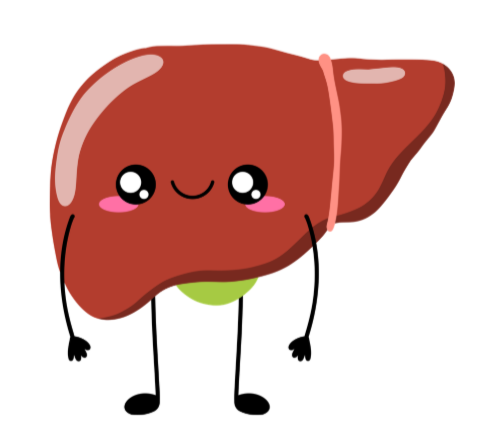
Why the Liver Matters
The liver is one of the hardest-working organs in the body. It plays a central role in digestion, detoxification, hormone balance, blood sugar regulation, and energy production—and it is closely connected to the diaphragm, spine, ribs, shoulders, and nervous system. When liver mobility or circulation becomes restricted (sometimes described as liver stagnation), the effects may show up far beyond the abdomen.
Some signs and symptoms that may suggest the liver could benefit from visceral support include:
- Difficulty digesting fats (feeling heavy or nauseated after rich foods, wine, or creamy meals)
- Right-sided neck, shoulder, or upper back tension
- Right-sided headaches or sinus congestion
- Chronic fatigue or feeling “overheated,” especially at night
- Waking consistently between 1–3 AM
- Acid reflux or upper abdominal pressure
- Dark circles under the eyes
- Sensitivity to chemicals, medications, or environmental toxins
- Hormone imbalances or symptoms that worsen with stress
- A feeling of fullness, pressure, or restriction under the right rib cage
These patterns don’t mean there is something “wrong” with the liver—but they may indicate that it’s working harder than it should, or that its movement and drainage are restricted. Visceral manipulation aims to gently restore ease and adaptability so the liver—and the body as a whole—can function more efficiently.
What is Visceral Manipulation
Visceral Manipulation is a gentle, hands-on therapy that focuses on improving the natural movement and function of the organs and the connective tissues that support them. Just like muscles and joints, our organs need subtle motion to stay healthy. When inflammation, stress, surgery, illness, or repetitive strain reduce that motion, the body may compensate in ways that contribute to pain, tension, or dysfunction elsewhere. Visceral manipulation works by supporting the body’s own ability to restore mobility, circulation, and communication between organs and the nervous system.
Feb 17, 2026 Jamie Eller, DO
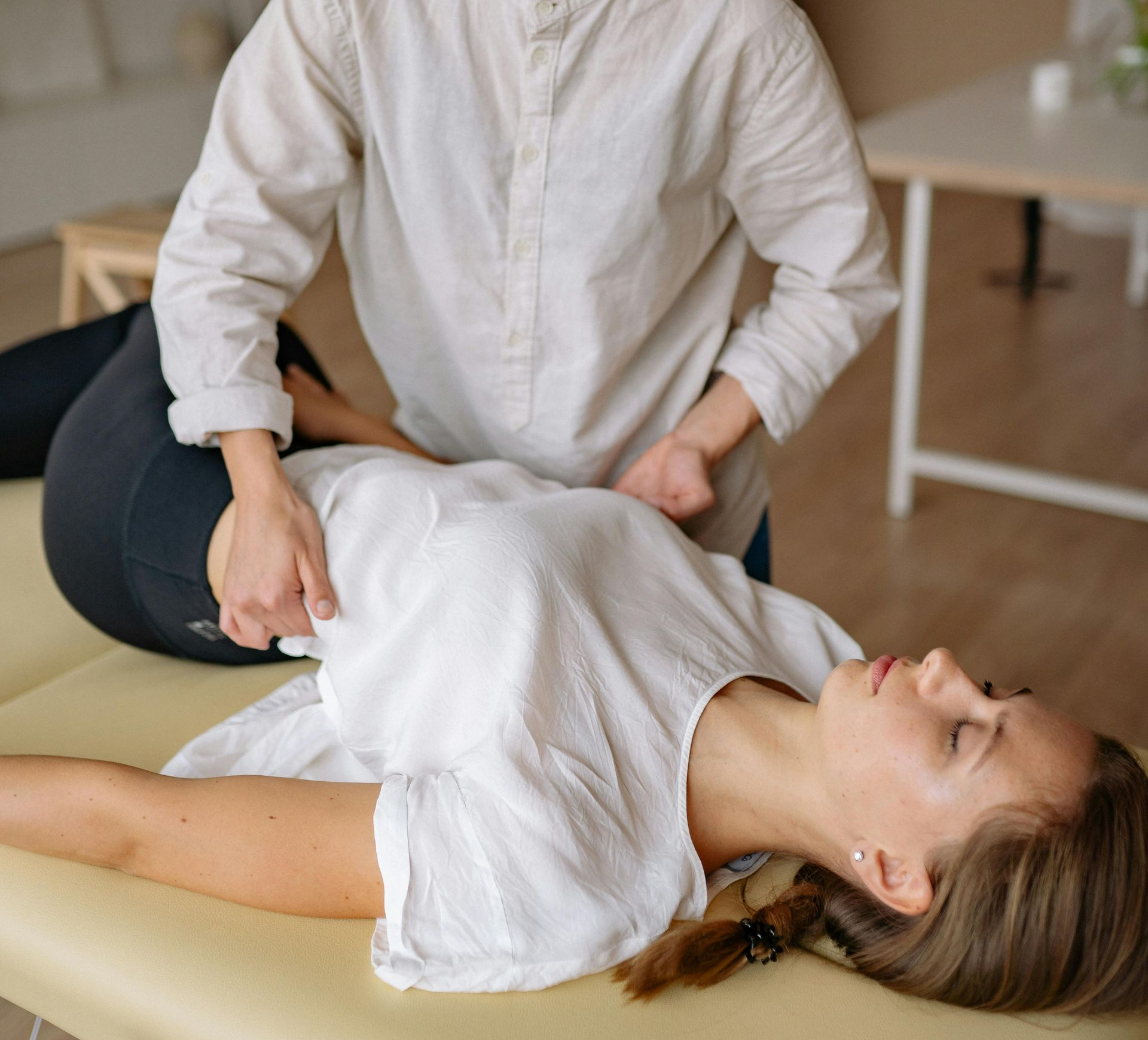
Dr. Eller has implemented Osteopathic Manipulation Treatments (OMT) into her patient care since 2013. She is a former assistant professor for the Department of Osteopathic Principles and Philosophy for Sam Houston Statue University - College of Osteopathic Medicine, and continues to support the faculty and their students as community trainer teaching future physicians OMT. As of 2026, half of her medical practice is focused on Osteopathic Manipulation Medicine (OMM). She practices multiple styles and treatment techniques and is dedicated to being well rounded in her osteopathic manipulation skills.
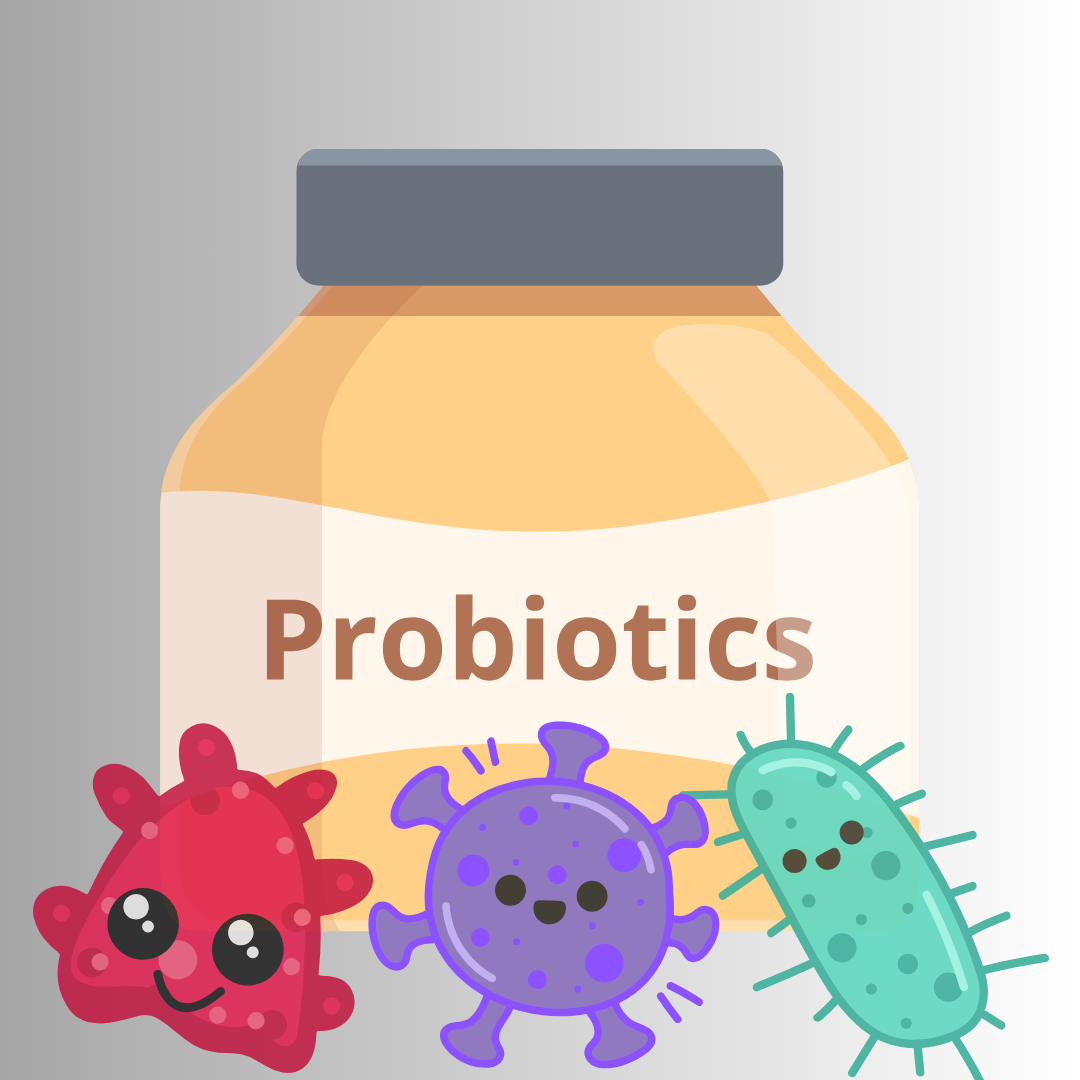
Where do probiotics end and prebiotics begin? Learn the difference and how to better support the "good guys".
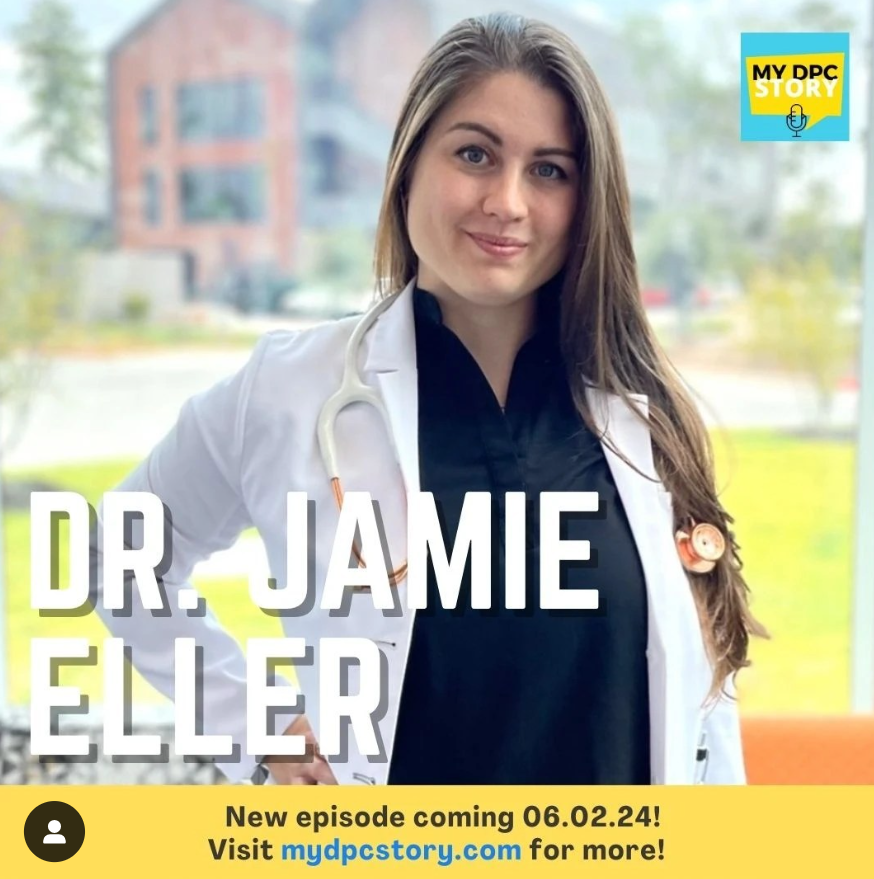
'In Episode 167 of the "My DPC Story Podcast," Dr. Maryal Concepcion interviews Dr. Jamie Eller, a dedicated physician whose journey in Direct Primary Care (DPC) began during her second year of residency. Inspired by graduates and colleagues, Dr. Eller balanced teaching at Sam Houston's College of Osteopathic Medicine with her passion for Osteopathic Manipulative Medicine (OMM). However, constrained by heavy teaching duties and limited control over patient demographics, she turned her sights toward DPC."
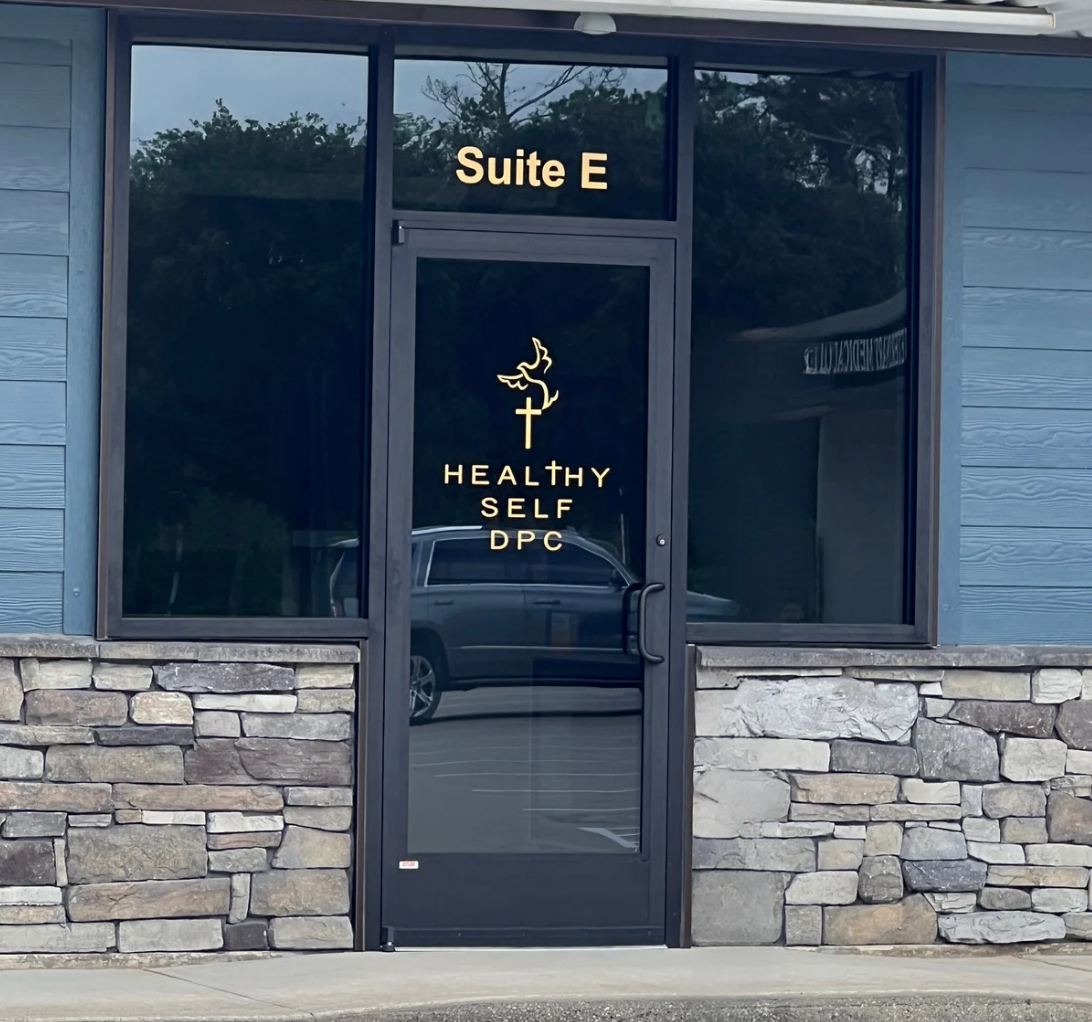
Time lapse of the Healthy Self DPC Willis clinic build out from beginning to end.
A personal story on the struggles of post partum depression (PPD) shared by Dr. Brittany Burns.
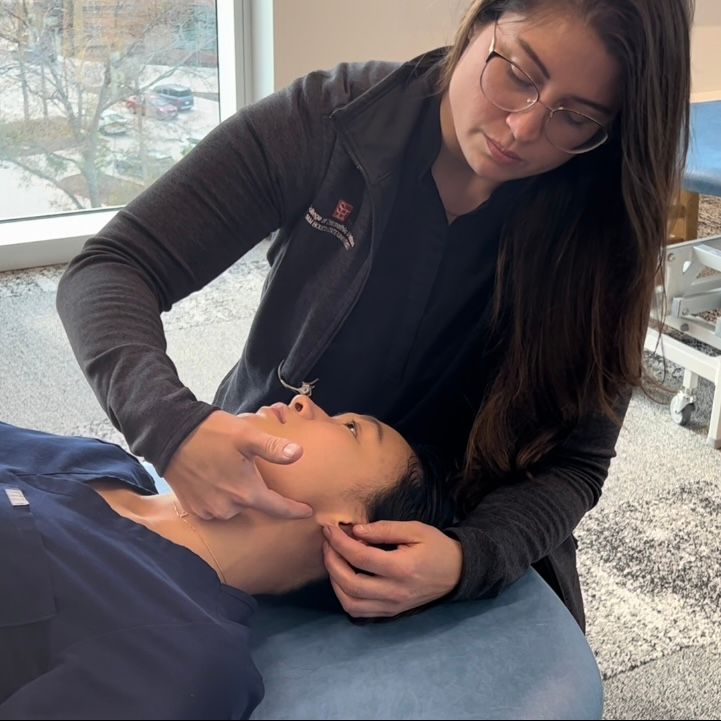
The following osteopathic manipulation techniques are noninvasive and can easily be performed by the physician or patients themselves. For best results. gently massage the area just above the collar bones prior to performing these techniques. These techniques focus on the lymphatic drainage of the ear, nose and throat, and can be helpful in facilitating quicker healing for acute illnesses of the upper respiratory tract, including: ear infections, pharyngitis (viral or strep throat), sinusitis, allergies, and other soft tissue infections of the head and neck.
Become familiar with the common and often not so obvious symptoms of leaky gut syndrome and learn the first steps to take towards a healthy gut.
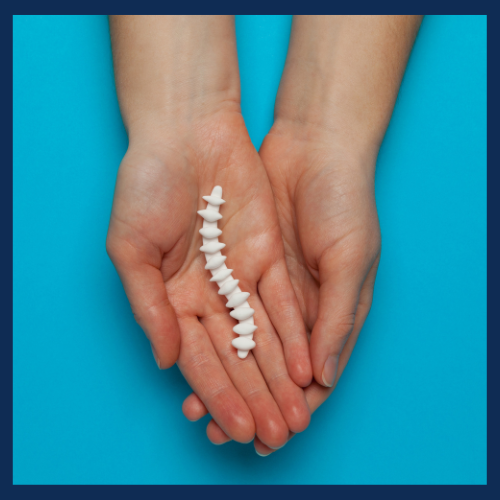
Learn the foundation of osteopathic physician training and how they differ from allopathic, MD physicians.

Learn the basics of cold plunging and it's potential heatlth benefits.
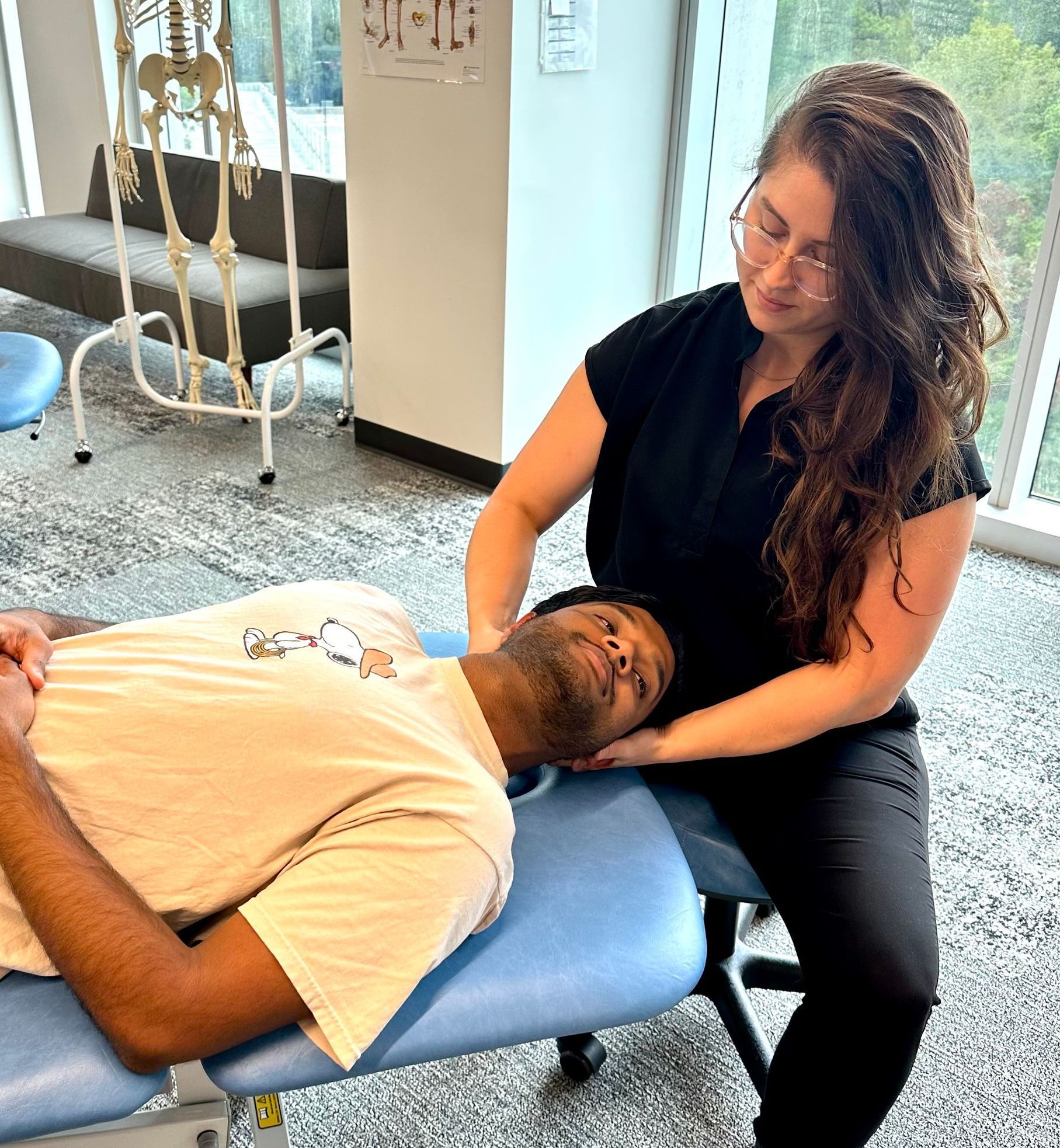
Learn why I love teaching and how it benefits me and my practice.

Why am I doing a blog, and what will I be talking about?